How does psychology influence decision-making in casinos
How does psychology influence decision-making in casinos
The Role of Cognitive Biases
Cognitive biases play a significant role in how individuals make decisions while gambling. These biases can lead players to develop false beliefs about their chances of winning, which can ultimately influence their betting behavior. For example, the gambler’s fallacy, the belief that past events can impact future outcomes, may cause a player to think they are “due” for a win after a series of losses. This distorted thinking often leads to increased bets, as players try to recover their losses through avenues like online casino poker.

Another common bias is the illusion of control, where gamblers believe they have more influence over the outcomes than they actually do. This can manifest in various ways, such as choosing specific numbers or symbols they believe will bring good luck. Such biases can cloud judgment, encouraging individuals to make decisions that are not based on rational assessment of their odds but rather on emotional impulses and misconceptions.
The Environment of Casinos
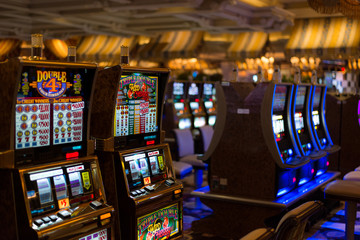
The design and atmosphere of casinos are meticulously crafted to encourage prolonged engagement and spending. Factors such as lighting, sound, and layout are strategically utilized to create a sense of excitement and urgency. The use of bright colors and stimulating sounds can heighten emotional arousal, making players more likely to take risks in their decision-making.
Additionally, the absence of clocks and windows in casinos removes the natural cues that signal the passage of time. This disorientation can lead players to lose track of how long they have been gambling, often resulting in extended sessions that increase the likelihood of impulsive decisions. The overall environment is designed to keep players engaged, thereby impacting their decision-making processes in subtle yet profound ways.
The Impact of Social Influences
Social factors also significantly affect decision-making in casinos. The presence of other gamblers can create a social atmosphere that encourages risk-taking. Individuals may feel pressure to conform to the behaviors of those around them, leading to choices they might not have made alone. This social proof can amplify the excitement of gambling, pushing players to make bolder bets.
Furthermore, the role of celebratory events, such as a nearby player winning a jackpot, can serve as a psychological trigger. Witnessing others succeed can instill a sense of optimism and lead to impulsive decisions, as players feel emboldened by the notion that they, too, could be the next winner. The social context thus shapes how individuals perceive their odds and influence their betting behavior.
Emotional Decision-Making
Emotions play a crucial role in gambling behavior, often driving decisions more than rational thought. Players frequently rely on feelings of excitement, fear, or frustration when placing bets. For instance, during a winning streak, the exhilaration can lead to overconfidence and reckless betting. Conversely, losing can invoke feelings of desperation, prompting players to chase losses by increasing their bets.
Moreover, emotional states can affect how gamblers interpret their experiences. A player who wins may feel euphoric and rationalize their continued play, believing they are on a lucky streak. Conversely, a bad experience can lead to a withdrawal from play or a complete change in strategy. Recognizing the emotional landscape of gambling is vital to understanding decision-making processes in casinos.
Understanding Casino Security Measures
In addition to psychological factors, understanding the security measures of casinos can enhance a player’s experience and promote responsible gambling. Casinos utilize sophisticated technology to monitor gaming activities and ensure fair play. This protective environment not only secures the gaming experience but also fosters trust among players, which is crucial for their engagement.
Moreover, many casinos provide resources and support for responsible gambling practices. By promoting awareness and understanding of the psychological aspects influencing decision-making, casinos can help players make informed choices. Such measures ultimately contribute to a safer gambling environment, allowing players to enjoy their experience while remaining mindful of their decisions.